Personal Loans in the UK – How They Work, Eligibility & Interest Rates Guide
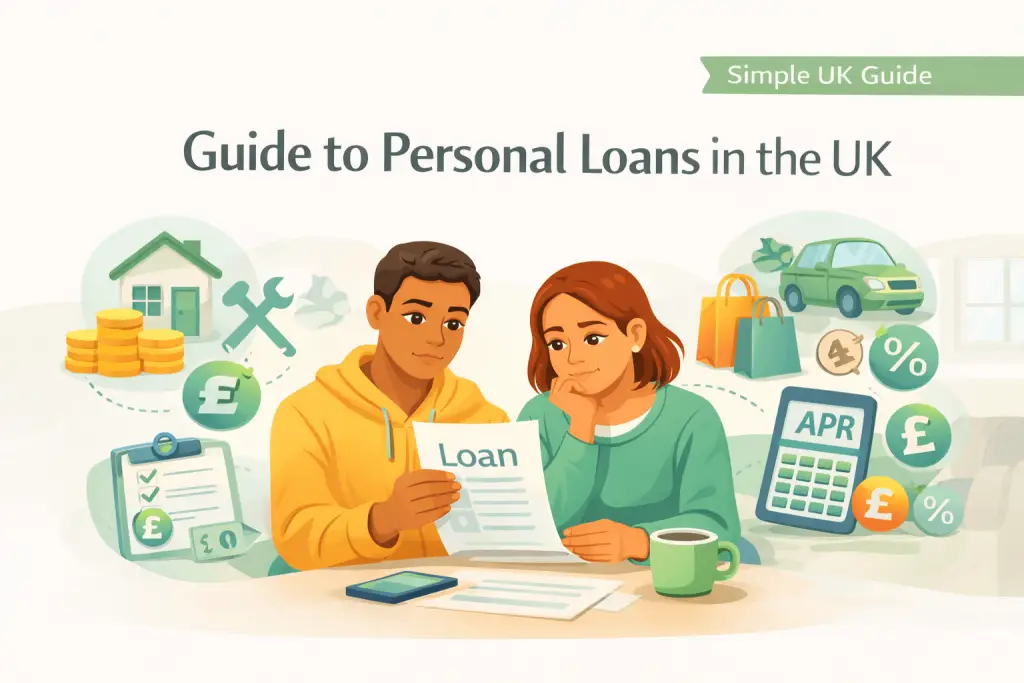
Personal loans are one of the most common ways people in the UK borrow money for larger expenses or unexpected costs. A personal loan allows you to borrow a fixed amount from a lender and repay it in regular monthly instalments over an agreed period, usually with interest expressed as an Annual Percentage Rate (APR).
Many people use personal loans to consolidate debts, fund home improvements, cover emergency expenses or pay for major purchases. Because personal loans normally have fixed repayment schedules, borrowers know exactly how much they will repay each month and when the loan will be fully paid off.
This guide explains how personal loans work in the UK, the main types of personal loans available, what lenders look for when assessing applications and what factors affect interest rates. It also explains how borrowing options may differ for people with less-than-perfect credit histories.
Understanding how personal loans operate can help you make more informed financial decisions before applying.
What Is a Personal Loan?
A personal loan is a type of borrowing where a lender provides a fixed amount of money that must be repaid over time with interest. Borrowers typically repay the loan in equal monthly instalments over a set loan term.
In the UK, personal loans are commonly used for expenses such as home improvements, debt consolidation, vehicle purchases or covering unexpected financial costs. Loan amounts vary depending on the lender but can range from a few hundred pounds to several thousand pounds.
The repayment period for personal loans usually ranges from one to five years, although some lenders may offer longer terms depending on the loan size and the borrower’s financial profile. During this period the borrower repays both the original loan amount (known as the principal) and the interest charged by the lender.
Unlike credit cards or overdrafts, which allow borrowing to fluctuate over time, personal loans normally have a fixed repayment structure. This means borrowers know exactly how much they must repay each month and when the loan will be fully settled.
How Personal Loans Work in the UK
In the UK, personal loans follow a structured lending process designed to ensure that borrowing is affordable and responsible for both lenders and borrowers.
The process usually begins with an application where the borrower provides details about their income, employment status and existing financial commitments. Lenders use this information to assess whether the applicant can realistically afford the loan repayments.
As part of this process, many lenders carry out a credit check to review the applicant’s credit history. Some lenders perform a soft credit search initially, which allows them to assess eligibility without affecting the borrower’s credit score. If the application progresses further, a full credit check may be completed before final approval. For more info on what credit score you might need for a loan check out our guide of the same name!
If the lender determines that the loan is affordable and the applicant meets their criteria, they will present a loan offer outlining the key terms. These terms typically include the loan amount, interest rate, repayment period and the total amount repayable.
Once the borrower accepts the agreement, the funds are usually transferred to their bank account. The borrower then repays the loan through fixed monthly instalments until the balance and interest have been fully repaid.
Types of Personal Loans in the UK
In the UK, personal loans generally fall into two main categories: unsecured personal loans and secured personal loans. The type of loan available can affect borrowing limits, interest rates and the level of risk involved.
Unsecured Personal Loans
Unsecured personal loans are the most common type of personal loan. These loans do not require the borrower to provide an asset as security.
Instead, lenders base their decision primarily on the applicant’s credit history, income and financial situation. Because there is no collateral involved, lenders may charge higher interest rates for borrowers who have lower credit scores or higher perceived risk.
Secured Personal Loans
Secured personal loans require the borrower to provide an asset as collateral for the loan. This asset could be a property, vehicle or another valuable possession.
Because the lender has security for the loan, secured loans may sometimes offer lower interest rates or allow larger borrowing amounts. However, they also carry a greater risk for the borrower, as the lender may have the right to recover the secured asset if repayments are not maintained.
To learn more about secured and unsecured loans see our Guide here: Secured vs Unsecured Personal Loans: What’s the Difference?
Personal Loans for Bad Credit
Some lenders specialise in offering loans to borrowers who have experienced credit difficulties in the past. These are often referred to as bad credit personal loans.
Applicants with lower credit scores may still be able to access borrowing, although interest rates may be higher and loan amounts may be smaller compared with standard personal loans. Loan brokers can sometimes help match borrowers with lenders that are more likely to consider their individual circumstances.
What Can Personal Loans Be Used For?
Personal loans can be used for a wide range of financial purposes, which makes them one of the most flexible borrowing options available.
Many borrowers use personal loans to consolidate existing debts into a single monthly repayment. Others may use them to finance home improvements, purchase a vehicle or cover major life events such as moving house or paying for a wedding.
Personal loans are also sometimes used to cover unexpected expenses, such as urgent repairs or emergency costs that cannot easily be covered through savings.
While personal loans offer flexibility, it is generally advisable to borrow only what is necessary and ensure that the repayments remain affordable throughout the loan term.
Who Can Get a Personal Loan in the UK?
Most lenders in the UK apply a similar set of basic eligibility criteria when assessing personal loan applications.
Applicants generally need to be at least 18 years old and a resident of the United Kingdom. Many lenders also require applicants to have a regular source of income and an active UK bank account.
During the application process, lenders usually review the applicant’s financial circumstances to determine whether the loan repayments are affordable. This may involve assessing income, existing debts and overall financial stability.
Borrowers with strong credit histories and stable incomes may have access to a wider range of borrowing options and potentially lower interest rates. However, some lenders and brokers specialise in helping individuals who have experienced credit issues in the past.
Personal Loan Interest Rates and APR Explained
The cost of borrowing through a personal loan is typically expressed as an Annual Percentage Rate (APR). The APR represents the total yearly cost of borrowing, including interest and any fees associated with the loan.
Many lenders advertise a representative APR. Under UK regulations, at least 51% of approved applicants must receive this rate or better. However, the exact interest rate offered to an individual borrower can vary depending on their financial profile.
Several factors can influence the interest rate offered. These may include the borrower’s credit history, the amount being borrowed and the length of the repayment period.
Borrowers with stronger credit histories may qualify for lower interest rates, while those with higher risk profiles may be offered higher APRs. Before accepting any loan agreement, it is important to review the repayment schedule carefully and understand the total cost of borrowing over the full loan term.
Can You Get a Personal Loan with Bad Credit?
It may still be possible to obtain a personal loan even if you have a poor or limited credit history. Some lenders specialise in providing loans to people who have experienced credit difficulties such as missed payments, defaults or low credit scores.
When assessing these applications, lenders may place greater emphasis on current income and affordability rather than focusing solely on past credit issues. However, borrowers with bad credit may face higher interest rates or stricter borrowing limits.
In some situations, using a loan broker can help borrowers identify lenders that may be willing to consider their circumstances. Brokers can compare multiple lenders and help match applicants with potential loan options based on their financial profile.
For a more in-depth look at getting a personal loan with bad credit, check out our Guide: Personal Loans With Bad Credit: What Are Your Options?
How Loan Brokers Help Find Personal Loans
Loan brokers act as intermediaries between borrowers and lenders. Rather than applying directly to a single lender, borrowers can submit one application and be matched with lenders that may be suitable for their circumstances.
Brokers often work with a panel of lenders and can help compare different loan options more efficiently. In some cases, brokers may also use soft credit searches when checking potential eligibility, allowing applicants to explore options without affecting their credit score.
Badger Loans operates as a broker that helps connect borrowers with lenders offering personal loan options. By comparing lenders and reviewing borrower information, the service aims to help individuals identify borrowing options that may suit their circumstances.
Responsible Borrowing Considerations
Before taking out any loan, borrowers should carefully consider whether the repayments are affordable and appropriate for their financial situation.
It is important to review the full loan agreement, understand the total repayment cost and ensure that the monthly payments fit comfortably within your budget. Borrowing more than you can realistically repay may lead to financial difficulties.
If you are unsure whether borrowing is the right option, independent organisations such as Citizens Advice or StepChange provide free guidance on managing debt and making informed financial decisions.
Related Personal Loan Guides
Personal loans are connected to several related borrowing topics. The following guides explore specific aspects of borrowing in more detail.
Personal Loans with Bad Credit?
Learn how lenders assess applications from borrowers with credit difficulties and what factors can influence approval chances.
Secured vs Unsecured Personal Loans
A detailed comparison of the two main types of personal loans and how they differ in terms of borrowing limits, risk and interest rates.
What Credit Score Do You Need for a Loan?
An overview of how credit scores affect borrowing options and what lenders may look for during credit assessments.
Low APR Loans for Bad Credit: What Are Your Options?
Is it possible for borrowers with bad credit to be able to access loans with low APRs or low interest rates? We dive deep into the topic.
Frequently Asked Questions About Personal Loans
What credit score do you need for a personal loan?
There is no single credit score that guarantees approval for a personal loan. Each lender sets its own criteria when reviewing applications. Borrowers with stronger credit histories may have access to more loan options and lower interest rates, although some lenders specialise in providing loans to people with lower credit scores.
How long does personal loan approval take?
Approval times vary depending on the lender and the information provided during the application process. Some lenders can provide decisions within minutes, while others may take longer to review financial details. Once approved, funds are often transferred within one or two working days.
Can you repay a personal loan early?
Many lenders allow borrowers to repay their loan early, although some may charge an early repayment fee. UK consumer credit rules limit how much lenders can charge for early settlement. Borrowers should review their loan agreement carefully to understand any potential fees.
Do personal loans affect your credit score?
Applying for a personal loan may affect your credit score if a lender performs a full credit check. However, making repayments on time can help build a positive credit history, while missed payments may negatively affect your credit profile.
Can self-employed people get personal loans?
Self-employed individuals can often apply for personal loans, although lenders may request additional evidence of income. This might include tax returns, bank statements or business accounts showing consistent earnings.
Explore Personal Loan Options
If you are considering applying for a personal loan, comparing lenders can help you understand what borrowing options may be available for your circumstances.
Badger Loans helps connect borrowers with lenders offering personal loan options. By submitting one application, you may be matched with lenders that are willing to consider your financial situation.
You can explore potential loan options to see what may be available before deciding whether to proceed with an application.