Why Your Bank Isn’t Your Friend And Why That Matters
Banks aren’t your financial friends, they’re businesses built on profit, not loyalty. Here’s how to see through the marketing gloss, avoid costly traps and make your money work for you instead.

Stay informed with the latest updates from the lending world. From financial regulations to scam warnings and market shifts, this is where we share what matters most right now.

Banks aren’t your financial friends, they’re businesses built on profit, not loyalty. Here’s how to see through the marketing gloss, avoid costly traps and make your money work for you instead.

Badger Loans will never ask for money. If someone does, it’s a scam — stay safe and report it.

How To Tell A Genuine FCA Authorised Site From A Scam Site Spot the Scam: Huge Loan Lender vs. Badger Loans When quick borrowing’s on
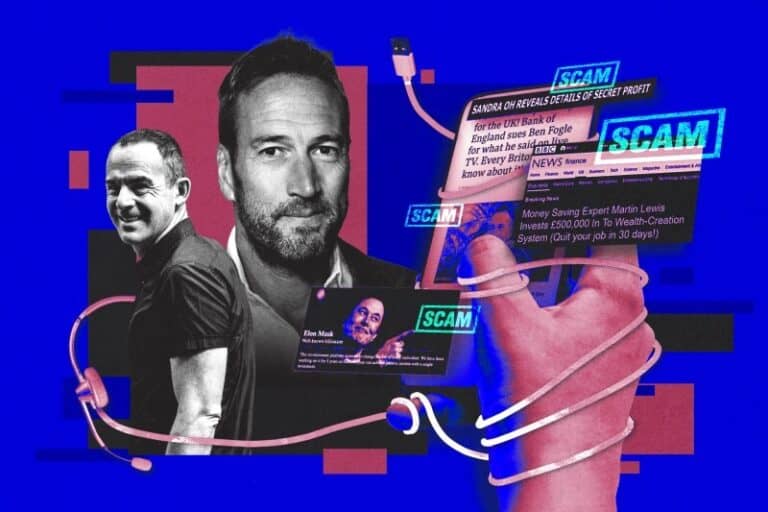
The financial scammer’s playbook is getting more sophisticated by the day. Last week, we looked at clone firms, fraudsters posing as legitimate lenders or financial

In an age where financial pressure is bearing down on millions, many turn to the internet looking for a fast solution, often in the form

Badger Loans tries to give people access to quick and convenient financial solutions. But what if you could avoid borrowing altogether? Enter Bully Badger, our

A Good Thing or Bad? I need to make two disclosure type ‘admissions’ up front. I have both worked for Provident Home Credit division and

Tips on Managing Your Finances ‘May You Live in Interesting Times’ From Sir Austen Chamberlain to Robert F Kennedy, the phrase attributed as a Chinese

A survey just revealed what several people already knew and have been warning about. The financial impact of COVID-19 goes way beyond job losses. The

Letters unchanged in 40 years An apparent 100,000 people attempt to take their own lives each year because of unmanageable debt while a further
Financial regulations are crucial for maintaining a stable lending environment and protecting consumers. They govern how financial institutions operate and ensure that they adhere to fair practices, safeguarding borrowers from predatory lending and exploitation.
For instance, regulations established by the Financial Conduct Authority (FCA) in the UK require lenders to conduct thorough assessments of a borrower's ability to repay a loan. This helps prevent situations where individuals are trapped in cycles of debt due to unaffordable borrowing.
As the lending landscape evolves, so do the tactics of financial scammers. It's essential for consumers to recognise the signs of a scam to protect their finances effectively. Awareness and education are key components in avoiding these pitfalls.
Common indicators of a scam include unsolicited offers, pressure tactics to act quickly, and requests for upfront fees. By staying informed and vigilant, consumers can shield themselves from fraudulent schemes that could jeopardise their financial well-being.
Economic fluctuations can significantly affect lending practices and consumer behaviour. Understanding these impacts can help borrowers make informed decisions when seeking loans or managing existing debt.
For example, during economic downturns, lenders may tighten their credit criteria, making it more challenging for individuals to qualify for loans. Conversely, in a thriving economy, more competitive lending options may arise, leading to better terms and rates for borrowers.
Responsible borrowing is essential for maintaining financial health and avoiding debt traps. It involves understanding your financial situation, knowing how much you can afford to borrow, and making informed choices about loan products.
One effective strategy is to create a budget that outlines your income and expenses, allowing you to determine a realistic repayment plan. Additionally, comparing different loan offers can help you find the best interest rates and terms, ensuring that you make a financially sound decision.
Financial regulations are crucial for maintaining a stable lending environment and protecting consumers. They govern how financial institutions operate and ensure that they adhere to fair practices, safeguarding borrowers from predatory lending and exploitation.
For instance, regulations established by the Financial Conduct Authority (FCA) in the UK require lenders to conduct thorough assessments of a borrower's ability to repay a loan. This helps prevent situations where individuals are trapped in cycles of debt due to unaffordable borrowing.
As the lending landscape evolves, so do the tactics of financial scammers. It's essential for consumers to recognise the signs of a scam to protect their finances effectively. Awareness and education are key components in avoiding these pitfalls.
Common indicators of a scam include unsolicited offers, pressure tactics to act quickly, and requests for upfront fees. By staying informed and vigilant, consumers can shield themselves from fraudulent schemes that could jeopardise their financial well-being.
Economic fluctuations can significantly affect lending practices and consumer behaviour. Understanding these impacts can help borrowers make informed decisions when seeking loans or managing existing debt.
For example, during economic downturns, lenders may tighten their credit criteria, making it more challenging for individuals to qualify for loans. Conversely, in a thriving economy, more competitive lending options may arise, leading to better terms and rates for borrowers.
Responsible borrowing is essential for maintaining financial health and avoiding debt traps. It involves understanding your financial situation, knowing how much you can afford to borrow, and making informed choices about loan products.
One effective strategy is to create a budget that outlines your income and expenses, allowing you to determine a realistic repayment plan. Additionally, comparing different loan offers can help you find the best interest rates and terms, ensuring that you make a financially sound decision.